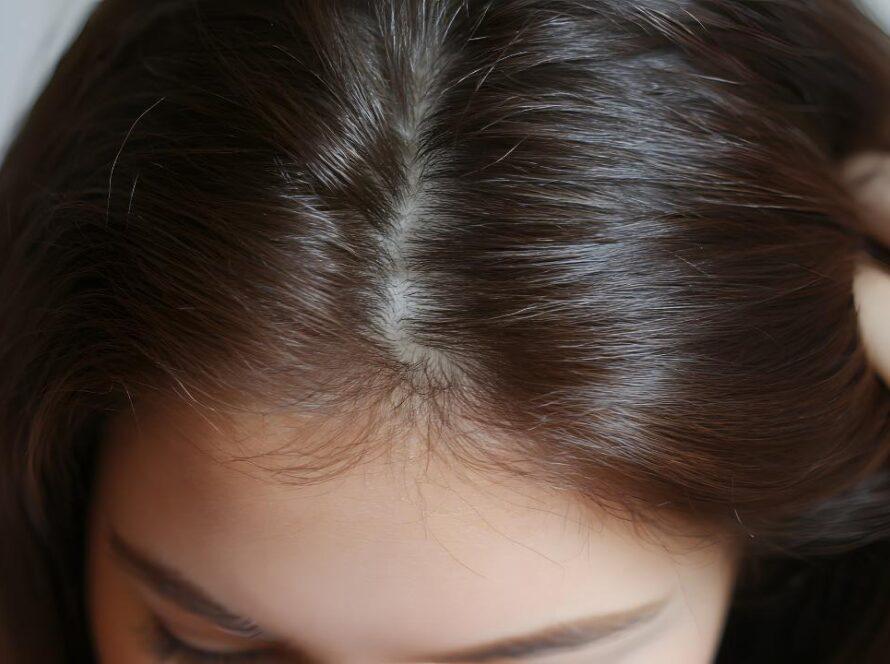
Effective Homemade Hair Masks for Dry and Damaged Hair Care
Hair strands snap when the outer shell fails. Heat from styling tools and harsh chemicals used in dyes cause this breakdown. Once that shield is gone, your hair turns into a sponge. It drinks up moisture but cannot hold onto it. This leaves your locks feeling like straw and looking dull. Starting a regular habit with Homemade Hair Masks is a budget-friendly way to fix that oily barrier. It builds up the hair from the inside. This guide looks at the biology of how hair mends and shares real recipes for Dry and Damaged Hair Care.
The Science of Hair Damage and the Role of Lipids
A thin layer of fats keeps healthy hair safe. This layer hates water. When it is stripped away, the hair starts to love water, which leads to swelling and snapping. Homemade Hair Masks that use thick fats can get under the surface to fill those holes. Coconut oil works wonders. It has a lot of lauric acid. This fat is small and straight. It bypasses the outer layer and goes straight into the core. Science shows that coconut oil stops protein from leaking out in both healthy and hurt hair. It works well before or after you wash.
Protein-Rich Solutions for Structural Integrity
Your hair is mostly made of keratin protein. About 65 to 95 percent of its weight comes from this stuff. Hard brushing and high heat break these bonds. This leads to thin hair and split ends. Using Homemade Hair Masks with egg yolks or thick yogurt provides a quick fix for the hair structure. Egg yolks have lecithin and biotin. Both help with stretch. A basic mix uses two yolks and two spoons of olive oil. The yolk acts as a bridge. It makes sure the moisture gets everywhere. This is a big part of Dry and Damaged Hair Care because it fills the physical gaps in the hair surface.
Humectants and Moisture Locking Techniques
Wetting your hair is not the same as greasing it. Oils make hair slick, but humectants pull water inside. Honey is one of those water-pullers. It has enzymes that keep the scalp healthy and the hair shiny. When you make Homemade Hair Masks, mix honey with something like avocado. Avocado has fats and Vitamin E. These protect the hair from daily wear. Mash a ripe avocado and stir in a spoonful of raw honey. Put it on damp hair. The honey pulls water in while the avocado fats shut the door.
PH Balancing and Scalp Health Considerations
The scalp stays slightly sour with a pH of 5.5. The hair itself is even more sour at 3.67. Many store soaps are the opposite. They make the hair surface stand up. This causes tangles and friction. Good Homemade Hair Masks must keep things balanced. Adding apple cider vinegar helps. It flattens the surface. Flat hair shines because it reflects light. Mix one part vinegar with three parts water and a few drops of argan oil. This seals in all the good stuff from your other steps. This is a huge deal for Dry and Damaged Hair Care. It keeps the nutrients trapped where they belong.
Standardized Application Process for Maximum Efficacy
How you put the mask on changes everything. To make sure it sinks in, wash with warm water first. This opens the surface. Pat your hair with a soft towel until it is just damp. Start applying your Homemade Hair Masks from the middle and go down to the tips. Those parts are the oldest and most worn out. Use a wide-tooth comb to spread it out. Cover your head with a plastic cap and a warm towel. Leave it for about half an hour. The heat helps the bits move faster and get deeper inside. Doing this once a week makes your hair stronger over time.
Long-Term Management of Hair Health
Fixing hair is a slow walk. It takes time. Homemade Hair Masks are a boost, not a total fix. You need good habits too. Use less heat. Skip the harsh soaps. This keeps the good stuff in your hair. Adding aloe vera helps as well. It has enzymes that fix the scalp and keep hair soft. For those focused on Dry and Damaged Hair Care, a mix of aloe and almond oil works as a great leave-in. It guards against dirt and rubbing while you sleep.
Conclusion and Key Takeaways
Keeping hair healthy needs a mix of protein, fats, and water. Making your own Homemade Hair Masks gives you total power over what goes on your head. You skip the fake fillers and silicones. The most vital points are using coconut oil to keep protein in, using honey to grab water, and keeping the pH right to lock the door. Regular treatments will change how your hair feels and looks. Sticking with Homemade Hair Masks is the best way to get tough, bright hair.